
Back-to-school season has a feeling all its own. There’s a mix of excitement, nerves, and fresh beginnings that shows up not just in backpacks and notebooks, but in what kids wear on those first few mornings. Clothes become part of the ritual. They help kids step into a new classroom, a new grade, or even a new school with a little more confidence than they had the year before.
Back-to-school outfits for kids are about much more than looking cute for photos. They’re about comfort during long days, self-expression in small but meaningful ways, and practicality for playgrounds, hallways, and homework sessions. Trends matter, but so does how a child feels while wearing them. The best back-to-school wardrobes balance style with real life.
Why back-to-school outfits matter more than we think
Clothing plays a quiet but powerful role in a child’s daily experience. When kids feel comfortable and confident in what they’re wearing, it often shows in how they participate at school. A favorite hoodie or well-fitting pair of jeans can become a small anchor in an unfamiliar environment.
At the same time, school is a place where kids start to develop a sense of identity. From early elementary years to the later grades, clothing becomes one of the first ways they communicate who they are. Back-to-school outfits give them a fresh chance to express interests, moods, and even independence, especially as they grow older.
Parents often focus on durability and cost, which makes sense. But there’s also value in letting kids have a say in what they wear. That collaboration tends to lead to outfits that actually get worn, rather than forgotten in the back of the closet.
Comfort first, always
No matter how stylish an outfit looks on a hanger, it won’t work for school if it’s uncomfortable. Kids sit on the floor, run at recess, bend, stretch, and move constantly. Back-to-school outfits for kids need to support that level of activity without becoming distracting.
Soft fabrics make a noticeable difference during long school days. Breathable cotton blends, flexible denim, and knits that don’t itch or cling tend to be favorites. Waistbands that don’t pinch and sleeves that allow free movement can turn an ordinary outfit into a reliable one.
Shoes deserve special attention too. A great outfit can be undone by footwear that rubs, slips, or feels stiff. Comfortable sneakers, slip-ons, or well-cushioned shoes are often the backbone of a school wardrobe, especially in the first weeks when routines are still settling.
Building outfits that work for busy mornings
Mornings before school can be rushed, even on the best days. Back-to-school outfits are easier to manage when they’re built around simple combinations that don’t require much thought. This doesn’t mean boring or repetitive. It means pieces that naturally work together.
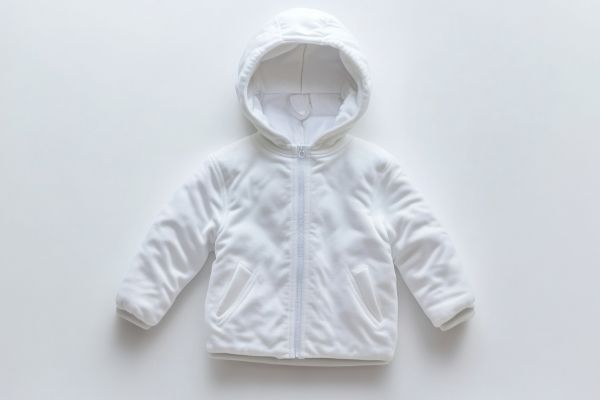
Tops in neutral shades mixed with a few colorful or patterned options create flexibility. Bottoms that pair easily with multiple shirts cut down on decision fatigue. Layers like lightweight jackets, cardigans, or hoodies help kids adjust to changing temperatures without needing a full outfit change.
For younger kids especially, outfits that are easy to put on independently can make mornings smoother. Elastic waists, simple fasteners, and forgiving fits help kids feel capable and ready to start the day on their own terms.
Trends that kids actually enjoy wearing
Trends come and go, but some manage to stick around because kids genuinely enjoy them. Back-to-school outfits for kids often reflect what they see around them, from classmates to older siblings to pop culture influences.
Relaxed silhouettes continue to appeal because they’re comfortable and versatile. Oversized sweatshirts, joggers, and loose-fit jeans offer both style and ease of movement. Graphic tees featuring animals, sports themes, or playful illustrations remain popular, especially when they reflect a child’s personal interests.
For older kids, subtle trends like layered looks, textured fabrics, or simple color-blocking add a sense of maturity without feeling forced. The key is letting trends enhance an outfit rather than dominate it. When kids feel like themselves in what they’re wearing, trends naturally fall into place.
Dressing for changing seasons
Back-to-school season often falls during a transition between summer and cooler months. That in-between weather can be tricky, especially when mornings feel chilly and afternoons warm up quickly.
Layering becomes essential. Lightweight long-sleeve tops under t-shirts, thin sweaters over dresses, or zip-up hoodies that can be tied around the waist give kids options throughout the day. These small adjustments help them stay comfortable without carrying extra items home.
Fabric choice matters during seasonal shifts. Materials that breathe but still provide warmth help kids adapt without discomfort. Paying attention to how clothes feel at different times of day can prevent unnecessary distractions during class.
Letting personality lead the way
One of the most rewarding parts of choosing back-to-school outfits for kids is watching their personalities come through. Some kids gravitate toward bright colors and bold patterns, while others prefer calm tones and simple designs. Neither approach is better than the other.
Allowing kids to express themselves through clothing builds confidence and self-awareness. It also opens the door to conversations about choice, preference, and even responsibility. When a child picks an outfit they love, they’re more likely to take care of it and feel proud wearing it.
This doesn’t mean every outfit has to be child-led without guidance. Gentle direction helps keep choices practical and school-appropriate, while still honoring a child’s sense of style.
Practical considerations that still matter
While style and comfort are essential, back-to-school outfits also need to survive real life. School clothes face spills, scuffs, repeated washing, and heavy use. Choosing items that hold up well over time saves stress later.
Fit is another important factor. Clothes that are too tight can be uncomfortable, while oversized pieces may become impractical. Finding that middle ground allows room for growth without sacrificing function.
It’s also worth considering school dress codes, even informal ones. Understanding what’s appropriate ahead of time helps avoid last-minute outfit changes and keeps mornings calm.
How outfits can support confidence at school
For many kids, the first days back at school come with nerves. A familiar, favorite outfit can act as a quiet source of comfort. Clothing doesn’t solve everything, but it can help a child feel grounded in a new environment.
Back-to-school outfits for kids that reflect who they are, fit well, and feel good can boost confidence in subtle ways. When kids aren’t distracted by scratchy fabrics or awkward fits, they’re more free to focus on learning, friendships, and new experiences.
Over time, those small daily choices add up. Clothing becomes less about appearance and more about self-assurance and ease.
A thoughtful approach to back-to-school style
The best back-to-school wardrobes are built thoughtfully, not hurriedly. They reflect a balance between practicality and creativity, structure and freedom. They recognize that kids are growing, changing, and discovering who they are.
Back-to-school outfits for kids don’t need to be perfect or trendy to work. They need to support real days filled with movement, learning, and emotion. When comfort, personality, and simplicity come together, outfits naturally fall into place.
Conclusion
Back-to-school season marks a fresh chapter, and clothing plays a meaningful role in that transition. Back-to-school outfits for kids are not just about fashion, but about comfort, confidence, and self-expression during an important time of year. By focusing on how clothes feel, how easily they fit into daily routines, and how well they reflect a child’s personality, families can approach school style with less pressure and more intention. In the end, the best outfits are the ones kids feel good wearing as they walk into a new school year, ready for whatever comes next.