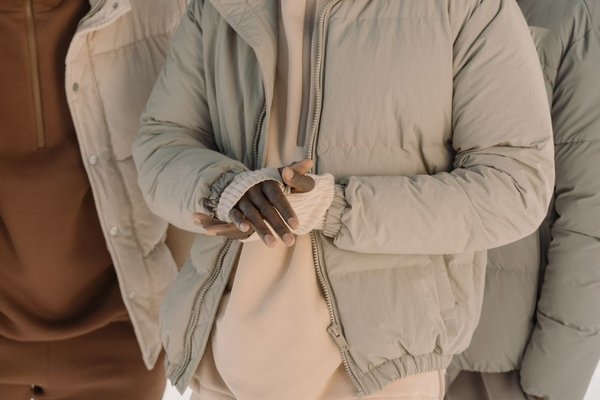

The best winter outfits in Britain have to work harder than they look. A crisp morning might turn into a drizzly lunch break, followed by a stuffy train journey home. That is why the most useful winter layering trends are not about wearing everything at once. They are about choosing pieces that look deliberate together, hold warmth when needed and can be removed without ruining the outfit.
For the colder months, think fine knits beneath relaxed tailoring, longer coats over compact mid-layers, and scarves that add shape as well as insulation. The trick is to give every layer a purpose rather than simply adding bulk.
Start with a three-part outfit, not a pile of clothes
A reliable outfit begins with a close-fitting base, continues with a warming middle layer and finishes with an outer layer suited to the forecast. The Met Office recommends several light layers because they trap insulating air. That does not mean more is always better: clothing should still let you move, and you should be able to adjust it as your day changes.
For everyday thermal styling, a thin long-sleeved top or thermal vest can sit discreetly under a shirt or jumper. Add a merino-blend knit or cardigan, then a coat with enough room across the shoulders. If you expect to walk quickly or cycle, prioritise breathable layers so moisture does not build up against your skin.
The winter layering looks worth borrowing
Collared knitwear makes the middle layer visible
Collared jumpers, half-zips and cardigans bring structure to otherwise soft cold weather layers. Try a slim roll-neck under a collared cardigan, leaving the neckline slightly open to show the contrast. This looks polished with straight-leg trousers and avoids the bulky collar-on-collar effect of wearing several thick pieces.
For a less formal look, put a fine shirt under a textured jumper and allow a little cuff and hem to show. Our guide to styling winter knitwear is a useful next stop when mixing different textures.
Long coats create a clean outer silhouette
Roomy wool-look coats, practical puffers and weather-ready trenches all feature in the current cold-season wardrobe conversation. The most versatile choice is not necessarily the biggest. A coat should close comfortably over your usual jumper, without pulling at the buttons or swallowing the sleeves.
Layering a tailored coat over a neat knit and wide-leg trousers creates a long, uninterrupted line. On wetter days, a hooded waterproof shell may be the smarter finishing piece; a beautiful wool coat cannot replace proper rain protection.
Statement scarves add interest without another jumper
An oversized scarf offers an easy nod to the season’s more expressive styling. Let one end hang longer over a plain coat, or wrap it once without packing fabric tightly around your chin. A scarf in rust, berry or cobalt can lift navy, charcoal and camel outerwear, while a tonal scarf keeps a minimal outfit calm.
Three layered winter outfits for real UK days
The train commute with an overheated office
Begin with a fine thermal vest, a breathable long-sleeved top and a lightweight cardigan. Add tailored trousers, ankle boots and a long coat. On the platform you have several warm layers; at your desk, the coat and cardigan come off easily. This is a better solution than a single enormous jumper that leaves you uncomfortable indoors.
The rainy Saturday high street
Pair a slim knit with straight jeans, a water-resistant insulated jacket and boots with a grippy sole. Carry a compact umbrella if conditions allow, but do not depend on it in gusty weather. Keep a scarf light enough to tuck inside the jacket so it stays dry. These winter layering ideas focus on damp pavements and shop-to-shop temperature changes, not just photographs of snowy streets.
The dinner booking after a cold walk
Try an opaque thermal top beneath a fine-knit dress, then add tights, knee-high boots and a structured coat. Alternatively, wear a soft roll-neck with a midi skirt and a cropped jacket under a longer coat. When you arrive, you can remove the outerwear and still have an outfit with a considered silhouette. For footwear options, explore our winter boots styling guide.
Balance proportions so layers look intentional
The quickest way to make layered winter outfits feel modern is to vary their volume. If the coat is oversized, keep the underlayers relatively neat. If you love a chunky jumper, try straighter trousers or a simple skirt instead of piling on equally bulky pieces. A visible waistline, an open coat front or a narrow strip of contrasting shirt can stop a layered outfit looking shapeless.
Colour can do similar work. Choose two related neutrals and one accent rather than asking every piece to compete. Chocolate brown with cream and burgundy feels rich; charcoal with grey and a bright scarf looks sharper. Repeating a colour in your socks, knit or accessories makes mismatched textures feel connected.
Dress for wet cold, not just the temperature
UK winter dressing changes with wind, rain and activity. Wet cotton next to the skin can feel uncomfortable in cold weather, so for long outdoor periods consider a quick-drying base and insulating wool or fleece above it. For exposed walks, the outer layer should block wind and rain while allowing moisture to escape. Check the forecast rather than relying on a temperature figure alone.
Footwear matters as much as your coat: warm socks are less useful if your boots leak. Keep room for your toes and avoid squeezing thick socks into tight shoes. If you are reviewing your wardrobe, our guide to choosing a winter coat can help you decide where to invest rather than buying several nearly identical jackets.
Frequently asked questions
Three functional layers are a helpful starting point: a base, an insulating middle and a protective outer layer. Adjust for the weather, how long you will be outside and whether you are walking or sitting still. You may need fewer layers on a mild day.
Yes. Use fine base layers, keep the thickest texture to one main piece and vary the lengths of your clothes. A fitted top under a relaxed cardigan and clean-lined coat gives warmth without adding unnecessary volume everywhere.
Absolutely. Choose thin, comfortable versions that fit beneath your usual clothing without bunching. They work particularly well under shirts, dresses and fine knits, and are easy to remove from your outfit plan when a warmer day is forecast.
A wind-resistant, waterproof coat or shell is more reliable in sustained rain than an untreated wool coat. If warmth is needed, wear an insulating layer underneath. Check seams, hood fit and ventilation as well as the look of the jacket.
Make your layers earn their place
The strongest winter layering trends make getting dressed simpler, not more complicated. Build from comfortable basics, choose one interesting texture or colour, and finish with outerwear that genuinely suits the day’s weather. When each piece can work alone or alongside the others, staying warm and looking put together stop feeling like competing goals.