
A block heel can make a weekday outfit feel more polished without demanding the balancing act of a stiletto. But not every chunky heel suits a commute, a shift on your feet or a busy day between meetings. The difference lies in proportions, fit and how securely the shoe holds your foot.
When choosing block heels for everyday wear, compare the whole shoe rather than the heel shape alone. A modest heel with a grippy sole and roomy front may be more wearable than a towering block heel that pushes your weight onto your toes.
Which block heels work best for daily routines?
For frequent walking, low block heels are a practical starting point. Around 2–4 cm gives some lift without the steep foot angle of taller styles. Individual comfort varies, and anyone managing foot pain may need a lower heel or a different shoe.
Match the design to your day. An enclosed pump suits a smart office; a strap-fastened Mary Jane offers security on stairs. A block-heeled ankle boot is useful in cooler UK weather, particularly with an outsole that grips damp pavements.
Compare the features that really affect comfort
Heel height: lower often beats taller
A wide heel is not a free pass to go high. As heel height increases, pressure generally shifts towards the ball of the foot. If you walk to the station, stand on public transport and then spend hours working, a lower heel may be easier to manage.
A platform beneath the forefoot can reduce the slope between heel and toe, but a thick, stiff platform may make walking feel less natural. Try it rather than judging from photographs.
Heel base: width and placement matter
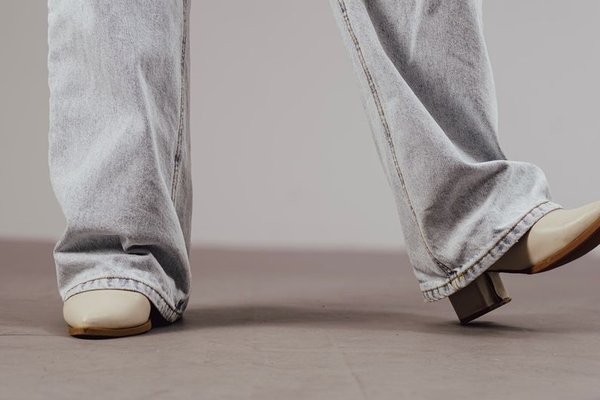
A stable block heel makes solid ground contact and sits securely beneath the rear of your foot. Check from behind: a heel that angles awkwardly or feels wobbly on a flat shop floor is unlikely to improve outdoors. Walk, turn and stop during a fitting to test its stability.
Cushioning: useful, but not a cure for poor fit
Comfortable block heels need padding where pressure builds, especially under the forefoot, along with a supportive, reasonably flexible sole. Soft padding cannot compensate for cramped toes or a slipping heel. If you use orthotic insoles, check the shoe’s depth and whether its original insert is removable.
Toe shape and fastening: overlooked essentials
A rounded, almond or comfortably square toe often provides more usable space than a sharply pointed design. Your toes should not be squeezed together or pressed against the upper.
An adjustable ankle strap, buckle or secure instep helps prevent your foot sliding forward. A backless mule can look effortless but may require extra gripping effort during brisk walking. For everyday heels, security matters as much as appearance.
Block heel styles compared: choose by situation
Closed-toe pumps for office days
These create a neat line with tailored trousers, midi skirts and dresses. Choose a moderate heel, sufficient toe room and a snug heel counter that does not rub. For jobs involving prolonged standing, prioritise wearability over a pointed silhouette.
Mary Janes and slingbacks for lighter outfits
Mary Janes feel secure when the instep strap fits properly. Slingbacks offer a more open look for spring and summer, although a loose rear strap can slip when you move quickly. Both complement cropped trousers and relaxed dresses.
Ankle boots for mixed weather
Block-heeled boots are useful from autumn through spring. Check ankle movement, zip pressure and tread. A smooth fashion sole may be troublesome on wet paving even when the heel feels steady. For longer outdoor walks, boots with good grip may outperform dress pumps.
Use the ten-minute try-on test before buying
Picture a typical Tuesday: a twelve-minute walk to the bus stop, office stairs and a quick lunchtime errand. A shoe that feels good only while standing in front of a mirror has not passed that test.
Try both shoes later in the day, when your feet may be slightly fuller. Wear your usual tights or socks. Walk for several minutes, turn corners and step up safely if possible. Notice whether your toes bunch, your heel lifts or your weight tips forward.
Check the outsole on a smooth surface and a firmer one if available. Avoid buying a painful pair assuming it will stretch into the right size. Leather may soften, but an unsuitable length or shape will not reliably change.
How to style everyday block heels without looking overdressed
For work, pair black or chocolate block heel shoes with straight-leg trousers, a fine knit and a structured jacket. A low heel adds definition without making the outfit formal. For more ideas, explore our shoes for office outfits guide.
At weekends, try tan slingbacks with dark denim and a crisp shirt, or block-heeled boots with a knitted midi dress. Chunkier footwear balances heavier denim and wool, while slimmer block heels suit fluid skirts.
Neutral shades are versatile, but burgundy or deep green can be the interesting detail in a simple outfit. For a compact wardrobe, see our everyday shoe wardrobe essentials guide.
Check your trouser hem too. A cropped hem exposes the shoe, while full-length trousers should fall cleanly without dragging. Our styling cropped trousers guide offers further pairing ideas.
Keep them wearable beyond the first outing
Rotate pairs and let damp shoes dry naturally away from direct heat. Inspect heel tips and outsole tread regularly; worn-down tips can reduce grip and make a formerly stable shoe feel uneven.
If you develop persistent pain, tingling or pressure spots, do not dismiss them as normal breaking-in discomfort. NHS footwear guidance favours toe room, secure fastening and lower, wider heels. Seek professional advice if symptoms continue.
Frequently asked questions
They can feel more stable because their heels have a broader contact area. Comfort still depends on height, toe shape, cushioning and fit. A tall block heel with a narrow toe may be less comfortable than a lower alternative.
Many people find approximately 2–4 cm a sensible range to test first. There is no universally perfect height, so judge how you walk and feel after several minutes rather than relying only on the number on the label.
Possibly, if they are low, secure and have good traction. For long distances, uneven paths or existing discomfort, supportive walking shoes may be the better commuting choice; change into heels at work.
Yes. Low pumps suit straight-leg or ankle-length jeans, while block-heeled ankle boots complement heavier denim. Keep the hem clear of the ground so it does not interfere with your steps.
Find the pair that suits your real day
The best block heels for everyday wear are not necessarily the boldest or most cushioned pair on the shelf. Start with a manageable height, a well-placed heel, room for toes and dependable grip. Test each pair against the walking, weather and outfits that make up your week. A shoe you can comfortably wear again is the better buy.