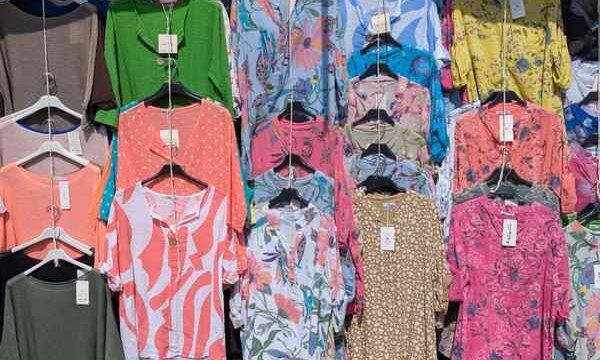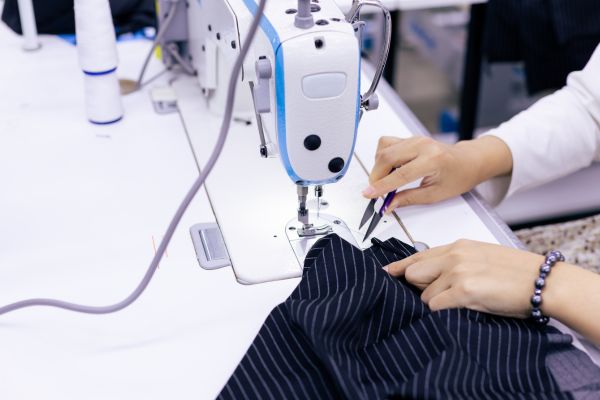

Turning a fashion idea into a real, wearable product depends on much more than an attractive sketch. Fabric must be sourced, patterns need to be translated into accurate samples, seams must hold together, and every finished item should look consistent. Behind all of this is the manufacturer.
For new designers, learning how to find fashion manufacturers can feel confusing. Factories vary widely in quality, production capacity, communication style, pricing, and technical expertise. Some specialize in small independent labels, while others only accept large-volume orders. A manufacturer that works beautifully for one brand may be completely unsuitable for another.
The search becomes easier when you approach it as a careful matching process rather than simply looking for the lowest quote. The goal is to find a production partner whose skills, scale, and working methods fit the kind of clothing you want to create.
Define Your Product Before Contacting Factories
A manufacturer cannot accurately evaluate your project if your idea is still vague. Before beginning your search, clarify exactly what you plan to produce.
A collection of tailored blazers requires different machinery and expertise from a line of printed T-shirts. Swimwear manufacturers work with stretch fabrics and specialized elastic construction, while handbag factories need experience with leather, hardware, and reinforced stitching.
Decide which products will be included in your first production run, what fabrics you expect to use, how many colors or sizes you need, and approximately how many units you want to order. You should also know whether you need a factory to handle the entire development process or only the final production stage.
Some manufacturers offer full-package production, including fabric sourcing, pattern making, grading, sampling, cutting, sewing, finishing, and packaging. Others follow a cut-make-trim model, meaning the designer provides the fabric, trims, patterns, and technical information.
Understanding your needs early prevents wasted conversations with factories that are not equipped for your project.
Prepare a Clear Tech Pack
A tech pack is one of the most important tools in fashion production. It acts as a detailed instruction manual for each garment.
A useful tech pack normally includes technical drawings, measurements, fabric information, construction notes, color details, labels, trims, stitching requirements, and packaging instructions. The clearer the document is, the easier it becomes for a factory to estimate pricing and produce an accurate sample.
Manufacturers may still ask questions, especially during development, but a strong tech pack reduces misunderstandings. It also allows you to compare quotes more fairly because each factory is reviewing the same specifications.
Without clear technical information, one manufacturer may calculate a quote using premium materials while another assumes basic fabrics and simple finishing. The prices will look different, but the factories may not actually be offering the same product.
Decide Between Local and Overseas Manufacturing
One of the biggest choices is whether to produce locally or overseas. Neither option is automatically better. The right decision depends on your budget, order size, timeline, product complexity, and preferred level of involvement.
Local manufacturing often makes communication and quality control easier. You may be able to visit the facility, review samples in person, and resolve production issues quickly. Shipping times are usually shorter, and smaller minimum order quantities may be available. However, labor and production costs can be higher.
Overseas factories may offer lower per-unit pricing, wider material options, and greater production capacity. Certain regions also have deep expertise in specific product categories, such as knitwear, denim, footwear, sportswear, or leather goods. The trade-off can include longer lead times, larger minimum orders, customs costs, time-zone differences, and more complicated quality inspections.
Instead of choosing based only on price, calculate the complete landed cost. This includes sampling, production, freight, duties, inspection, packaging, and possible storage expenses.
Search Through Several Reliable Channels
When considering how to find fashion manufacturers, it helps to use more than one search method. A broad search produces more options and gives you a better sense of normal pricing and production standards.
Industry directories and sourcing platforms can help you discover factories by country, product type, materials, and production capacity. Fashion trade shows are also useful because they allow designers to meet manufacturers, fabric suppliers, and sourcing agents in one place.
Professional networks can be just as valuable. Pattern makers, technical designers, fabric suppliers, fashion consultants, and other clothing brands often know reliable production partners. A personal recommendation does not replace proper research, but it can shorten the initial search.
You can also examine clothing labels from products similar to yours. Country-of-origin information may point you toward suitable manufacturing regions. In some cases, import databases, business directories, and industry associations can provide additional clues.
Social media should be approached carefully. Many legitimate factories maintain active profiles, but attractive photos do not prove production quality. Always verify the business independently before sending designs, payments, or materials.
Evaluate Specialization and Experience
A factory may produce excellent clothing and still be wrong for your collection. Specialization matters.
Ask whether the manufacturer has previously worked with your product category and fabric type. A factory experienced in basic cotton garments may struggle with silk dresses, waterproof outerwear, structured tailoring, or heavily embellished pieces.
Request examples of relevant work, but understand that manufacturers may not be allowed to reveal confidential client information. Instead of insisting on brand names, ask about the techniques, machinery, materials, and construction methods they regularly handle.
Experience with your target market can also be useful. Different markets may have different sizing expectations, labeling rules, testing requirements, and quality standards. A manufacturer familiar with those expectations is less likely to overlook important details.
Ask About Minimum Order Quantities
The minimum order quantity, usually called the MOQ, is the smallest number of units a manufacturer is willing to produce.
Some factories calculate MOQs per style, while others apply them per color or size. A quote of 300 units may sound manageable until you discover that the factory requires 300 units of every color.
Ask for a complete explanation of how the minimum is calculated. You should also find out whether lower quantities are available at a higher unit price.
Small-batch production can be useful for testing demand, but very low quantities are not always economical. Fabric mills, dye houses, print suppliers, and trim manufacturers may have their own minimums, even when the sewing factory is flexible.
Choose an order size that allows you to test the product without creating more inventory than you can realistically manage.
Review Communication Carefully
Communication during the early stages often reveals what the production relationship will be like later.
A reliable manufacturer should respond clearly, ask relevant questions, and explain technical limitations honestly. Slow replies are not always a warning sign, particularly during busy production periods, but repeated confusion and incomplete answers can become serious problems.
Notice whether the factory confirms important details in writing. Agreements about pricing, measurements, materials, delivery dates, and revisions should not exist only in informal phone calls.
Language differences do not necessarily prevent a successful relationship. What matters is whether both sides can communicate specifications accurately. Simple language, labeled diagrams, measurement charts, and written summaries can prevent many mistakes.
Order and Test Samples
Never move directly from a conversation to full production without reviewing a sample.
The first sample allows the manufacturer to test the pattern, construction, fit, and materials. It may need several revisions before it is ready for production. That is normal. Sampling is where many technical problems should be discovered and corrected.
Inspect the garment closely. Check measurements, stitching, seam strength, fabric behavior, color accuracy, shrinkage, fastenings, labels, and overall finishing. Wear testing is also valuable because certain problems only become visible after movement, washing, or repeated use.
Do not approve a sample simply because the launch schedule feels urgent. Small flaws in one sample can become expensive problems when repeated across hundreds of units.
Verify the Factory Before Paying
Before sending a large deposit, confirm that the manufacturer is a genuine operating business.
Ask for the company’s registered name, business address, payment details, production location, and relevant certifications. When possible, arrange a video tour or an independent factory inspection. A physical visit is even better for larger commitments.
Be cautious if the payment account belongs to an unrelated individual or company. Sudden changes to bank details should always be verified through a second communication channel.
You should also ask whether production is completed in-house or subcontracted. Subcontracting is common in the fashion industry, but you need to understand who is actually making the garments and how quality will be controlled.
Discuss Quality Control and Production Timelines
Reliable manufacturing involves more than producing an approved sample. The factory must repeat that quality consistently throughout the order.
Ask how inspections are handled during cutting, sewing, finishing, and packing. Find out what happens when defective units are discovered and what tolerance is allowed for measurements.
Production timelines should be discussed in detail. Lead time may depend on fabric availability, sample approval, order size, holiday closures, and factory capacity. A realistic schedule should include some room for unexpected delays.
Extremely fast promises can be a warning sign, especially for custom products. It is usually better to receive an honest timeline than an attractive date the factory cannot meet.
Compare Value Rather Than Price Alone
The cheapest manufacturer may become the most expensive option if garments arrive late, measurements are inconsistent, or materials do not match the approved sample.
Compare factories based on total value. Consider sample quality, communication, technical knowledge, minimum quantities, production speed, payment terms, quality-control systems, and shipping costs.
A slightly higher unit price may be reasonable when a manufacturer provides stronger construction, fewer defects, better communication, and more dependable delivery.
Negotiation is normal, but unrealistic pressure can damage the relationship. Good manufacturing requires skilled labor, suitable equipment, careful supervision, and time.
Build the Relationship Gradually
A reliable production partnership is usually developed through experience rather than discovered instantly.
Start with a manageable order and evaluate how the manufacturer performs. Pay attention to communication, consistency, problem-solving, and delivery. If the first production run goes well, future orders can gradually increase.
Keep accurate records of approvals, samples, measurements, invoices, fabric references, and production notes. These records make repeat orders smoother and reduce confusion when team members change.
Manufacturers also value organized clients who provide clear instructions, respond promptly, and approve materials on time. Reliability needs to exist on both sides.
Finding the Right Manufacturing Partner
Learning how to find fashion manufacturers is not simply about collecting factory names. It requires a clear product concept, accurate technical information, careful research, sample testing, and realistic expectations.
The right factory should understand the garments you are creating and have the equipment, experience, and capacity to produce them consistently. Price matters, but trust, communication, and technical ability often matter more.
A thoughtful search may take longer than expected, particularly during the sampling stage. Still, that patience protects the quality of the collection. When the relationship is built carefully, a manufacturer becomes more than a production facility. It becomes an essential part of bringing a fashion idea into the real world.