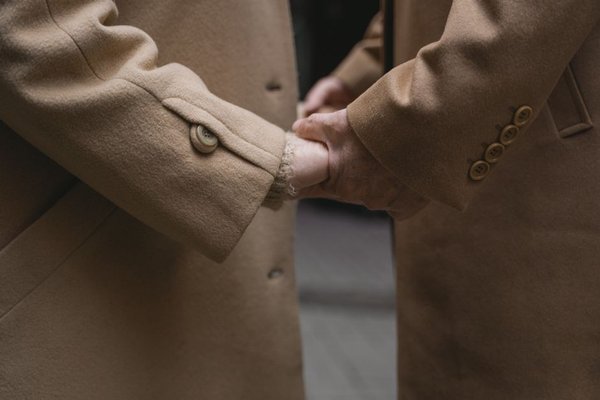

Wool coats have a way of earning their keep. Buy a good one, and it can carry you through a decade of winters without ever looking tired. But that longevity isn’t automatic. A wool coat rewards a bit of attention, and neglects punish you with pilling, moth holes, and that sad, flattened look that comes from being crushed on a hanger for months on end. If you’ve just invested in a proper wool coat, or inherited one worth keeping, here’s everything you need to know about looking after it properly.
Why Wool Needs Different Care Than Other Fabrics
Wool isn’t like cotton or polyester. It’s a natural fibre with a structure that makes it naturally resistant to wrinkles and odours, but that same structure means it can be damaged easily by the wrong kind of care. Wool fibres have tiny scales, similar to hair, and aggressive washing or high heat causes those scales to lock together, which is what leads to shrinkage and that dense, matted feel called felting. Once wool felts, there’s no undoing it. So the golden rule with wool coat cleaning is simple: less is almost always more.
Everyday Maintenance
Brushing After Each Wear
The single best habit you can build is brushing your coat after you wear it. A soft-bristled clothes brush lifts away dust, pollen, and surface dirt before it has a chance to work its way into the fibres. Brush in short, downward strokes, following the direction of the fabric’s nap. Two minutes of brushing genuinely extends the life of a coat, and it’s the kind of small ritual that becomes second nature once you start.
Airing It Out
Wool has a natural ability to release odours on its own, which is one of its underrated qualities. Rather than reaching for the washing machine after every wear, simply hang the coat somewhere with good airflow for a few hours. This lets any moisture evaporate and helps the fibres relax back into shape after a day of being worn.
How to Clean a Wool Coat Properly
Spot Cleaning for Small Marks
For minor marks, dampen a clean white cloth with cold water and gently dab, rather than rub, at the affected area. Rubbing pushes the stain deeper and can also damage the fibres, creating a rough patch that never quite lies flat again. Always work from the outside of the mark inward so you don’t spread it further.
Dry Cleaning vs Home Washing
Most wool coats are labelled dry clean only, and it’s worth respecting that label. Dry cleaning uses solvents rather than water, which avoids the shrinkage and felting risk altogether. That said, dry cleaning too frequently isn’t ideal either, as the chemicals can gradually dry out the natural oils in the wool. Once or twice a season is usually plenty for a coat that’s worn regularly through winter, unless you’ve had a spill that needs immediate attention.
If your coat is specifically labelled as machine washable wool, use a wool-specific detergent, cold water, and a gentle or hand-wash cycle. Never tumble dry. Lay it flat on a towel to dry instead, reshaping it gently as it dries.
How to Remove Stains From Wool
Different stains call for different approaches, and knowing how to remove stains from wool without damaging the coat is really about patience rather than force.
Oil and Grease Stains
Sprinkle a little cornstarch or talcum powder on the mark and leave it for a few hours, or ideally overnight. The powder absorbs the oil, and you can then brush it away gently. This is far safer than reaching for a solvent-based stain remover, which can leave its own mark on the fabric.
Food and Drink Spills
Blot immediately with a dry cloth to lift as much liquid as possible before it sets. Follow with a cold, damp cloth and a small amount of wool-safe detergent, dabbing gently. Avoid hot water, as heat can set certain stains permanently and encourages shrinkage.
Mud and Dried Dirt
Let it dry completely first, then brush it out. Trying to clean mud while it’s still wet almost always makes things worse, smearing it further into the fibres.
For anything stubborn, oil-based makeup, ink, or wine, it’s genuinely worth taking the coat to a professional cleaner rather than experimenting at home. Wool is forgiving up to a point, but some stains are best left to someone with the right tools.
Coat Storage Tips for the Off-Season
How you store a wool coat when it’s not in daily use matters just as much as how you clean it. A few coat storage tips worth following:
Use the Right Hanger
Skip wire hangers entirely. A wide, curved wooden or padded hanger supports the shoulders properly and prevents the fabric from stretching or developing odd bumps at the shoulder seams.
Give It Breathing Room
Store your coat in a breathable garment bag, cotton is ideal, rather than sealed plastic. Plastic traps moisture, which can lead to mustiness or even mildew over a long summer.
Guard Against Moths
Wool is a magnet for moths, and a single infestation can ruin a coat beyond repair. Cedar blocks or lavender sachets are a gentle, natural deterrent, and it’s worth checking stored coats every few weeks during the off-season rather than forgetting about them until next winter.
Keep It Clean Before Storing
Never store a coat that hasn’t been cleaned, even lightly. Body oils and unnoticed stains can attract moths and set into the fabric over months of storage, making them far harder to shift later.
Dealing With Pilling
Those small fabric balls that appear on high-friction areas like cuffs and pockets are called pilling, and they’re a normal part of a wool coat’s life rather than a sign of poor quality. A fabric shaver or a simple wool comb removes them quickly. Work gently and in one direction, and avoid the temptation to just pull pills off by hand, as this can leave small holes behind.
Frequently Asked Questions
Once or twice a season is usually enough for a coat worn regularly through winter. Spot clean marks as they happen and save full cleaning for the end of the season or if there’s a stain that needs proper attention.
Only if the label specifically says it’s machine washable. Otherwise, stick to dry cleaning or gentle hand spot cleaning to avoid shrinkage and felting.
Hang it in fresh air for a few hours, ideally somewhere with good airflow but out of direct sunlight. Wool naturally releases odours over time, so this simple step often works better than washing.
This usually happens when hot water or high heat has been used during washing or drying, which strips the natural oils from the fibres. Stick to cold water and air drying to keep the wool feeling soft.
A wool coat isn’t something you need to fuss over constantly, but it does ask for a little consistency. Brush it, air it out, store it properly, and deal with stains before they set, and you’ll find it still looks sharp long after fast-fashion alternatives have been replaced twice over. Treat it well, and it’ll genuinely last you years.