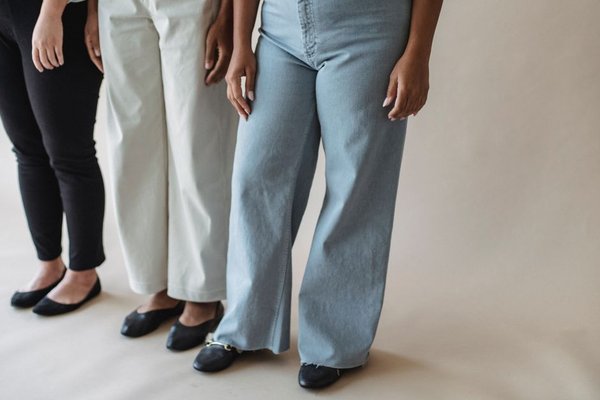

A good capsule wardrobe should make getting dressed easier, not force your style into a strict list of “approved” basics. For a plus-size wardrobe in the UK, the most useful approach is to build around fit, comfort, layering and changeable weather. The aim is a smaller collection of clothes that work together, suit your real routine and move easily between cool mornings, warmer afternoons and wet commutes.
Start with the life you actually dress for
Before buying anything, look at how you spend a normal week. Someone working in an office three days a week needs a different mix from someone working from home, commuting daily or caring for children. A capsule works best when it reflects your routine rather than an idealised version of it.
Audit what you already own. Separate the clothes you wear repeatedly from pieces that are uncomfortable, hard to style or rarely suitable. Notice why your favourites work. It might be a soft waistband, a longer hem, a particular neckline or a jacket that sits neatly over your hips. Those details are more useful than a generic must-have list.
Build around a practical colour plan
A limited palette makes mixing easier, but it does not have to mean black, beige and white. Choose two or three dependable neutrals, then add two or three colours you genuinely enjoy. Navy, charcoal, chocolate, olive and cream can all work as foundations, while burgundy, cobalt, rust or forest green can add personality.
The simplest test is whether most tops work with most bottoms. If a patterned blouse only matches one skirt, it can still stay, but it is not doing much work in a compact wardrobe. Thoughtful colour planning is what turns a small collection into versatile plus size outfits. A related internal guide could cover capsule wardrobe colour combinations.
Choose foundations that fit properly
Plus size wardrobe essentials should earn their place through comfort and repeat wear. Start with the pieces that create several outfits: well-fitting trousers or jeans, easy tops, a knit, a cardigan, a jacket and a dress or skirt if those suit your style.
Fit matters more than the number on the label. UK sizing varies between retailers, so use body and garment measurements where available. Check fabric composition too. A little stretch can improve comfort in fitted trousers, while a heavier jersey may skim more smoothly than very thin fabric. For shirts and jackets, check the bust, upper arms and shoulders before deciding whether the overall shape works.
Use outfit formulas instead of isolated pieces
One of the easiest ways to make a capsule wardrobe plus size friendly is to build repeatable outfit formulas. A formula gives you a structure you know works, while colour, texture and accessories keep it from feeling repetitive.
Wide-leg trousers with a fitted knit and open blazer can work for the office, dinner or a casual meeting. Straight-leg jeans with a relaxed shirt and trench coat suit many everyday situations. A midi dress with trainers and a cardigan works in mild weather; add tights, boots and a warmer coat when temperatures fall.
Imagine a typical October day in Manchester: cool on the morning commute, warmer indoors and wet by late afternoon. Instead of relying on one heavy garment, wear a breathable long-sleeve top, straight-leg trousers, a cardigan and a shower-resistant coat. Each layer can be removed independently, and every piece works elsewhere in the wardrobe. That is the practical advantage of dressing for UK life.
Plan layers for unpredictable UK weather
Layering is more useful than dividing your entire wardrobe into four separate seasons. Lightweight knits, cardigans, overshirts and jackets can bridge much of the year. Choose layers that fit comfortably over each other, especially around the upper arms, bust and shoulders.
A trench or lightweight waterproof coat is useful in transitional months, while a warmer coat covers winter. Breathable cotton, viscose blends and fine-gauge knits add flexibility underneath. In summer, the same shirts, dresses and lightweight trousers can be worn alone. For more detail, an internal guide on how to layer clothes for British weather would fit naturally here.
Keep shape and proportion flexible
Capsule dressing is sometimes shown as slim trousers, crisp shirts and fitted blazers, but that is only one aesthetic. If you prefer oversized shirts, wide-leg trousers, longline cardigans or relaxed dresses, build around those shapes.
A useful approach is to create contrast rather than follow rigid body-shape rules. Pair a roomy shirt with straighter trousers, or a close-fitting top with a fuller skirt. If you enjoy volume on top and bottom, a defined neckline, partial tuck or shorter layer can add structure. The right proportions are the ones that make you comfortable and make the outfit easy to wear. Readers refining their basics may also benefit from a guide to how to find your best trouser fit.
Buy slowly and fill genuine gaps
You do not need to replace your wardrobe to create a capsule. Start with what already works and identify gaps after a few weeks of wearing combinations. If you repeatedly wish you had a neutral cardigan, that is a useful purchase. If you simply like the idea of a camel coat but never wear camel, it probably is not.
When shopping, ask whether the new item works with at least three pieces you already own, whether it can handle more than one season and whether the care instructions suit your routine. A beautiful garment that is awkward to wash or uncomfortable after an hour will not become a dependable basic.
FAQ
There is no ideal number. Some people are comfortable with around 25 to 35 main garments, while others need more because of workwear, hobbies or laundry frequency. What matters is how well the pieces work together, not hitting a fixed total.
No. Neutrals make coordination easier, but bright colours and prints can work perfectly well. Repeat key colours across several pieces so tops, bottoms and layers combine easily.
Start with the category you wear most and find hardest to replace. For many people that is trousers, jeans or everyday tops. Once the fit is right, add coordinating layers and shoes rather than buying an entire wardrobe at once.
Prioritise adaptable layers, weather-resistant outerwear and fabrics that can be worn alone or combined. Fine knits, cardigans, shirts, versatile trousers and a reliable coat usually work harder than highly seasonal pieces.
A capsule wardrobe should make life easier
The best plus-size capsule wardrobe is not the smallest one or the most perfectly coordinated. It is the one that reduces indecision while leaving room for personality. Start with fit, build a colour palette around clothes you enjoy, use repeatable outfit formulas and choose layers that make sense for British weather. When every new piece has a clear role, getting dressed becomes simpler and your wardrobe starts working as a system rather than a collection of unrelated purchases.