
When your shoulders are broader than your hips, getting dressed can feel like a puzzle: a blazer fits across the back but looks loose at the waist, or a top feels right until you pair it with slim trousers. The answer is not to hide your shoulders. It is to understand how necklines, hemlines, fabric and volume work together. The best inverted triangle body shape outfits create proportions you enjoy while still feeling like something you would actually wear.
Understand your proportions before choosing clothes
An inverted triangle silhouette generally means the shoulders or upper body appear wider than the hips. You may have a straight waist, fuller bust or athletic upper body, but none is required. Body-shape labels are styling shortcuts, not rules about attractiveness.
If you want a more balanced outline, keep the upper half streamlined, introduce shape around the hips and consider defining the waist. You can combine these techniques or use just one. A separate guide to how to find your body shape can help you identify the proportions you want to work with.
Choose necklines and tops with a purpose
Let necklines create a vertical line
V-necks, open collars and simple scoop necks draw attention towards the centre of the body. An unbuttoned shirt over a fitted vest has a similar effect because the open front creates long, uninterrupted lines. These are useful broad shoulders outfits when you prefer a softer outline.
Boat necks, shoulder pads and elaborate sleeves tend to emphasise the shoulder line. That is fine if you love them. If balance is your aim, try a clean shoulder seam rather than extra fabric sitting directly on the shoulders.
Fit shoulders first, then assess the waist
A shirt that pulls across the upper back rarely looks polished, even if it fits elsewhere. Choose a size that sits comfortably across the shoulders, then use a tuck, belt or alteration to shape the waist. Draped fabrics skim the torso; a rigid, boxy top may make the upper and lower halves feel disconnected.
Build shape with skirts and trousers
For narrow hips styling, one approach is to add volume below the waist. A-line skirts, softly pleated midis and skirts with texture or a gentle flare can create movement around the hips. This comes from the cut, not from choosing a larger size: the waistband should still fit properly.
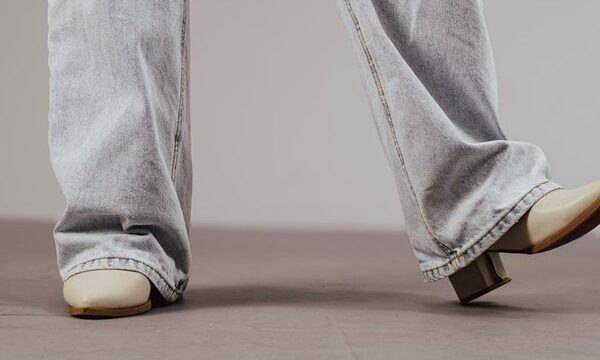
Wide-leg trousers, relaxed straight jeans and pleated tailoring offer a similar effect. A fuller leg can balance a structured shirt, particularly when the waistband is visible. For everyday UK dressing, try dark indigo wide-leg jeans, a simple V-neck jumper tucked at the front and ankle boots. The denim gives weight below; the jumper keeps the top uncomplicated.
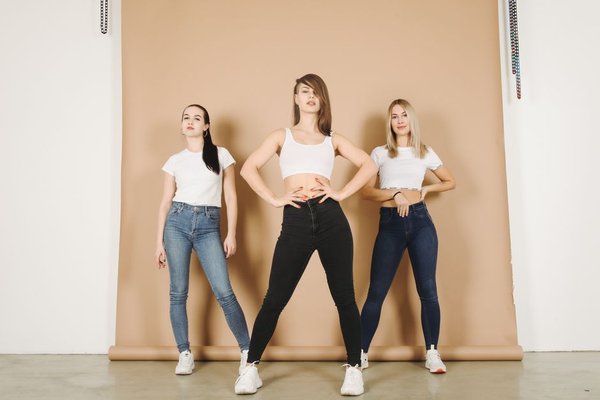
Skinny jeans are not off-limits. If you like them, try a jacket that finishes near the hip or boots that give the lower half more presence. A guide to how to style wide-leg trousers can offer additional combinations, but there is no single correct trouser cut.
Find dresses with movement in the right place
Fit-and-flare dresses define the waist and widen towards the hem. Wrap dresses can also work beautifully, especially when the wrap forms a diagonal line across the torso and the skirt moves freely. A bias-cut dress suits those who prefer fluid fabric to obvious flare.
Notice where the dress expands. A full skirt beginning at the waist creates a different silhouette from a straight shift that falls from the shoulders. Neither is inherently better. If a dress fits your shoulders but hangs loosely elsewhere, a belt may help, though a different cut often sits more naturally.
Use colour, pattern and fabric strategically
Classic inverted triangle styling often suggests a darker top and lighter bottom. Contrast can direct attention towards the hips, but it need not become a strict formula. A plain navy knit with checked trousers introduces interest below the waist without looking overdone.
Prints, pleats and pockets add visual presence wherever they appear. Place them on the lower half when you want body balance, or distribute them evenly for a more expressive look. Fabric matters too: a stiff jacket holds its shape at the shoulders, while a softer jacket follows your natural line.
Try these everyday outfit combinations
For work or smart-casual days
Start with a softly tailored blazer worn open over a plain top. Pair it with pleated wide-leg trousers and loafers. The blazer creates a vertical opening, while the trousers bring substance to the lower half. If a blazer is difficult to fit, prioritise shoulder mobility and consider tailoring the waist.
For weekends and colder weather
Try an open-neck cardigan with an A-line denim skirt, opaque tights and knee-high boots. In winter, a coat with a gently shaped waist and room through the hips can feel more comfortable than a severely boxy style. Inverted triangle body shape outfits should work under a coat, not just in a fitting-room mirror.
For an evening out
A halter-style top can highlight the shoulders, while a wrap top often softens their outline. Choose the effect you like, then pair the top with a flowing midi skirt or wide-leg satin trousers. Shoes and jewellery make the result personal rather than formulaic.
Check the overall line, not individual pieces
Before dismissing an outfit, stand a few steps back from the mirror. Where does the top end? Does it finish at the widest part of the torso while the trousers taper sharply? Sometimes a front tuck or fuller trouser solves the issue without buying anything.
Photograph the same top with three bottoms: slim jeans, straight trousers and an A-line skirt. Compare their shapes and note what feels best. A guide to choosing flattering necklines can provide more ideas, but comfort and personal taste should settle the decision.
Frequently asked questions
Wide-leg, relaxed straight and pleated trousers can add volume around the hips and legs. Choose a secure waistband and a length that works with your shoes. Slim cuts work too if you prefer a streamlined silhouette.
Absolutely. These necklines emphasise the shoulders, which may be exactly the look you want. If you prefer balance, pair them with fuller bottoms rather than avoiding them entirely.
A belt can define the waist over a dress or softly tailored layer. It works best when the fabric has enough ease to sit smoothly instead of bunching.
No. Darker tops can reduce visual emphasis, but cut, texture and proportion matter just as much. A light shirt with full trousers may feel more balanced than a dark top with very narrow bottoms.
Dress for the effect you want
The point is to direct the eye, not correct your body. Open necklines, considered shoulder seams, shaped waists and fuller bottoms can create balance, but they are options rather than obligations. Start with an outfit you already own, adjust one proportion and build on what feels comfortable, practical and unmistakably yours.