
A shoe can be the right UK size and still be the wrong shape. Loafers may squeeze your toes while trainers in the same size feel comfortable. Boots might press across your instep even though the front has spare space. Buying a larger size is not always the answer. This wide fit shoes guide shows how to recognise where you need room, understand width labels and choose shapes that suit your feet.
Look at shape before the width label
Shoe fit has three dimensions: length from heel to longest toe, width across the forefoot and depth above the toes and instep. A shoe can be generous in one direction and restrictive in another, so “wide fit” on a product page does not guarantee comfort.
Stand with your weight evenly distributed and look down at your feet. Does the forefoot spread near the toes? Is your second toe longer than your big toe? Does the top of your foot rise noticeably beneath the laces? These details can tell you more than the shoe’s overall size.
Wide fit and a wide toe box are not interchangeable
Wide fit footwear usually allows more room around the forefoot, but the front can still taper sharply. Wide toe box shoes leave space for the toes to spread naturally. If your little toe rubs, examine the sole’s outline: a front edge that curves inward may cause pressure even beneath a stretchy upper.
Depth is another consideration. Pressure on toenails or the tops of toes can mean the shoe is too shallow, rather than too narrow.
Understanding UK sizes and width letters
UK shoe sizes primarily indicate length. Moving from a UK 6 to a UK 7 also increases length, not just width. When the heel fits properly and there is sufficient toe clearance, sizing up can introduce slipping without solving forefoot pressure.
Width letters are not universal. For example, Clarks lists D as standard, E as wide and EE as extra wide for women’s shoes; its men’s guide uses G for standard and H for wide. Children’s fittings differ again. These are examples from one brand, not an industry-wide shoe width guide.
When comparing wide shoes UK shops stock, check the manufacturer’s chart for the exact range. Look for any available forefoot measurements and compare similar shoe shapes. Do not assume that an E or EE marking means precisely the same thing across brands.
Measure both feet and test the fit
Stand on paper, mark the back of your heel and the tip of your longest toe, then measure between them in millimetres. Repeat for the other foot and note the widest part of each forefoot. Use your larger foot as the starting point and consult the manufacturer’s sizing chart rather than relying on an unrelated conversion table.
Try shoes with the socks or hosiery you normally wear. If your feet swell during the day, an afternoon fitting may be useful. For many everyday shoes, around 1cm beyond the longest toe is a helpful starting point; the appropriate allowance varies with the design. Your toes should not hit the front when standing or walking.
The five-minute shop-floor check
Fasten both shoes and walk on a firm floor. Check that your longest toe has room ahead, the ball of your foot sits over the broad part of the sole and your toes can move without rubbing the sides or roof. The upper should hold your midfoot without digging into your instep, while your heel should remain reasonably secure.
For example, someone wearing UK size 5 flats may feel pain at the little toe. Moving to size 6 could reduce the pressure but leave the heel loose. A size 5 with a rounder, straighter forefoot might fit far better. Compare the pressure point, not simply the numbers on the boxes.
Match the shoe shape to the occasion
Trainers
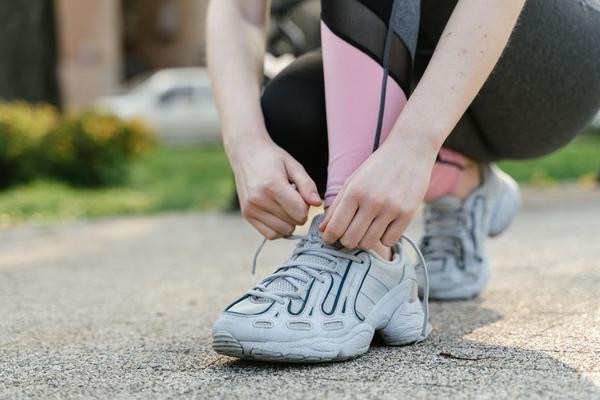
Look for a sole broad enough to support your forefoot, sufficient toe room and adjustable laces. Mesh may feel flexible, but it cannot correct a narrow platform. If running shoes repeatedly cause pain or instability, seek specialist fitting advice.
Boots
Test them with your intended socks. Check toe-box depth and the space over your instep, particularly around a zip, tongue or stiff seam. Lace-up styles often provide more adjustment than rigid pull-on boots.
Loafers and slip-ons
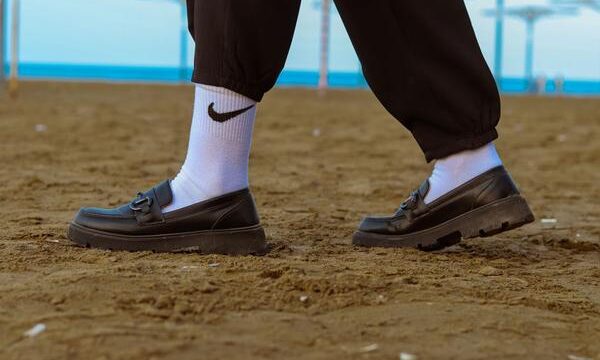
Without adjustable fastenings, the shape of the last matters enormously. Do not accept crushed toes simply to prevent heel slip. A different shape or width may offer a better balance than hoping tight leather will stretch.
Heels and dress shoes
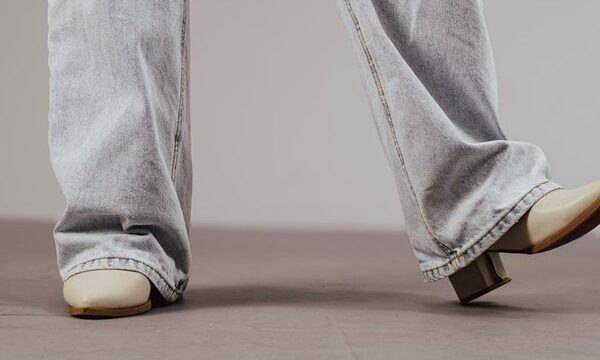
A pointed front can look long while providing little usable toe space. Consider rounded or softly squared fronts and a stable heel. Higher heels shift more weight towards the forefoot, so a wide label alone may not ensure comfort.
Buying wide-fit shoes online
Use a comfortable pair as your reference. Note its size, brand, width, toe shape and heel fit. Compare those details with new styles, then check the returns policy before ordering. Reviews can highlight recurring fit issues but cannot replace trying a shoe on your own foot.
Test purchases indoors on a clean floor. Fit the larger foot first if your sizes differ. For related advice, see our guides to measuring feet at home, UK shoe size conversions and choosing shoes for high insteps.
Frequently asked questions
Not automatically. If the length is right, try a wider or differently shaped shoe in your usual size first. Extra length may cause slipping.
Extra wide generally offers more room than the same brand’s wide option. The actual measurements vary between manufacturers and styles, so compare their individual fit charts.
Yes. Choose footwear with a roomy forefoot and secure laces, straps or heel structure rather than buying a loose, oversized pair.
Leather may soften and mould slightly, but do not rely on stretching to fix painful tightness, a narrow sole or cramped toes. Shoes should feel comfortable when first tried on.
Let your foot shape make the decision
Pay attention to where a shoe presses: along the forefoot, beside the toes, above the instep or at the heel. Measure both feet, check the brand’s width system and test the actual shape. Once you know which designs work, shopping for trainers, boots, loafers and heels becomes much easier.