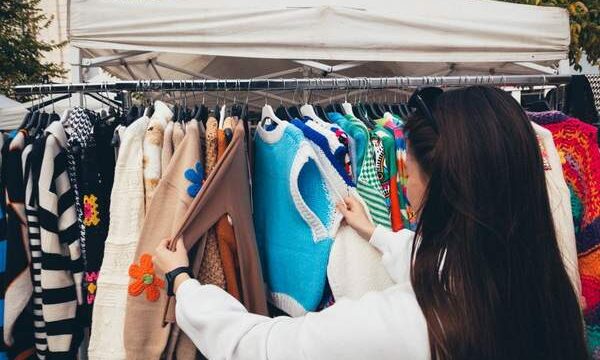

Fashion has always been about more than clothes. It reflects mood, identity, culture, and sometimes even quiet rebellion. But in the last few years, the conversation around style has shifted in a meaningful way. People are no longer only asking, “Does this look good?” They are also asking, “Who made it?” “What is it made from?” “Will I actually wear it for years?” That is where ethical fashion influencers have become so important.
Ethical fashion influencers are not just posting outfits for inspiration. The best ones help followers think more deeply about consumption, garment workers, secondhand shopping, textile waste, personal style, and the pressure to constantly buy something new. Some focus on slow fashion. Others talk about sustainability, upcycling, repair, outfit repeating, or the hidden cost of fast fashion. Together, they are reshaping what it means to be stylish in a more conscious world.
Why Ethical Fashion Influencers Matter
For a long time, fashion influence online was built around hauls, discount codes, and endless newness. There was always another trend, another “must-have” dress, another pair of shoes that supposedly completed the season. Ethical fashion influencers offer a different rhythm. Instead of pushing people to consume more, they often encourage them to pause.
That pause matters. It gives people space to look at their wardrobes with fresh eyes. A simple video about styling one blazer five ways can be more useful than a shopping list. A post about mending a torn seam can feel surprisingly empowering. A conversation about garment worker rights can turn a pretty outfit into something much more layered and human.
Good ethical fashion content does not shame people for owning fast fashion or having a limited budget. In fact, the most relatable creators understand that sustainable fashion can be complicated. Not everyone can afford expensive “eco” labels. Not everyone has access to good thrift stores. Not everyone has time to research every brand. The most thoughtful influencers meet people where they are and show that progress can be practical, personal, and imperfect.
Aditi Mayer and the Cultural Side of Sustainable Style
Aditi Mayer is often mentioned among leading sustainable fashion voices because her work connects style with labor, culture, climate, and identity. Her content goes beyond outfit photos and opens up conversations about supply chains, colonialism, artisan work, and the people behind clothes. She is frequently included in sustainable fashion influencer roundups and industry discussions for this broader educational approach.
What makes her stand out is the way she treats fashion as a social story. A garment is not just a finished product. It has a maker, a material, a region, and a set of working conditions behind it. For readers who want ethical fashion to feel more thoughtful and less surface-level, her content is a strong place to begin.
Venetia La Manna and the Anti-Fast-Fashion Conversation
Venetia La Manna is widely known for challenging fast fashion culture and encouraging people to look critically at overconsumption. Her style of influence is direct, educational, and often campaign-driven. Instead of presenting sustainable fashion as just a personal lifestyle choice, she highlights larger industry issues, including greenwashing and labor exploitation.
Her work is useful for anyone who wants to understand why ethical fashion is not only about buying from “better” brands. Sometimes the most ethical choice is buying less, wearing what is already in your wardrobe, or asking brands harder questions. That message feels especially important in a social media world where sustainability itself can sometimes become another aesthetic trend.
Livia Firth and the Red Carpet View of Ethical Fashion
Livia Firth has helped bring sustainable and ethical fashion into more mainstream spaces, especially through conversations around responsible luxury and red carpet dressing. She is often associated with the idea that glamour and ethics do not have to exist separately. Ethical fashion is not limited to linen basics, neutral wardrobes, or thrifted denim. It can also appear in couture, formalwear, and high-profile public events.
Her influence is valuable because she challenges the assumption that conscious fashion must look plain or limited. Instead, it can be elegant, polished, and deeply considered. For followers interested in the connection between luxury fashion, transparency, and environmental responsibility, her work offers a more elevated perspective.
Orsola de Castro and the Beauty of Repair
Orsola de Castro is another important figure in the ethical fashion space, especially for people interested in clothing repair, reuse, and the emotional life of garments. She is known as a co-founder of Fashion Revolution, a global movement that encourages transparency in the fashion industry and asks the now-famous question: “Who made my clothes?” Carry Somers is also strongly associated with Fashion Revolution and appears on sustainable fashion lists for her advocacy work.
The repair mindset is one of the most refreshing parts of ethical fashion. It moves people away from the idea that clothes are disposable. A missing button is not the end of a shirt. A scuffed shoe does not have to be thrown away. A dress can be altered, reworked, or passed on. Influencers who teach this kind of thinking help make sustainability feel less like a rulebook and more like a relationship with what we already own.
Emma Slade Edmondson and Everyday Sustainable Wardrobes
Emma Slade Edmondson is often recommended as a sustainable fashion voice, especially for people looking for accessible wardrobe inspiration. Birmingham City University included her among sustainable fashion Instagram accounts worth following, alongside other slow fashion and ethical style advocates.
Her appeal lies in making conscious style feel wearable. Not every post needs to be a lecture. Sometimes people simply need to see how secondhand, vintage, repaired, or responsibly chosen clothing can work in normal daily life. That kind of content can be quietly powerful because it lowers the barrier. Ethical fashion becomes less intimidating when it looks like something you could actually wear on a Tuesday afternoon.
Brett Staniland and a More Thoughtful Menswear Voice
Ethical fashion conversations online are often dominated by womenswear, but menswear needs the same attention. Brett Staniland has become a recognizable voice in sustainable fashion and is frequently included in lists of creators to follow for ethical and slow fashion inspiration.
His content is especially helpful because it shows that men’s fashion can also be conscious, expressive, and responsible. Menswear culture can sometimes lean heavily on minimalism or luxury status pieces, but ethical fashion introduces another way of thinking. It asks whether clothing is durable, versatile, fairly made, and genuinely useful. That is a much richer definition of good style.
Sophie Benson and Clear, Critical Fashion Writing
Sophie Benson is known for thoughtful writing and commentary on sustainable fashion, overconsumption, and the wider problems within the clothing industry. She is often recommended in sustainable fashion circles for her clear, critical voice.
Her influence shows that not all ethical fashion creators need to be outfit-led. Some are more valuable because they explain what is happening behind the scenes. They unpack brand claims, question trends, and help readers understand why “conscious” fashion can sometimes be more complicated than it looks. For people who enjoy learning as much as styling, voices like hers are worth following.
Thrift, Upcycling, and the Rise of Creative Reuse
Some of the most exciting ethical fashion influencers are not famous names in the traditional sense. They are upcyclers, secondhand stylists, vintage sellers, and everyday creators who turn old garments into something fresh. Current influencer lists include creators focused on upcycled fashion, secondhand materials, and one-of-one designs, showing how strong this part of the movement has become.
This side of ethical fashion feels joyful. It is less about perfection and more about imagination. A men’s shirt becomes a summer top. A dated jacket becomes a statement piece. A thrifted skirt gets styled in a way that feels completely modern. These creators remind followers that sustainability is not only about restriction. It can also be playful, inventive, and full of personality.
How to Follow Ethical Fashion Influencers Without Feeling Overwhelmed
Following ethical fashion influencers should inspire better choices, not create guilt. The goal is not to suddenly replace an entire wardrobe with expensive sustainable labels. That would miss the point. A more realistic approach is to start noticing patterns.
Which clothes do you actually wear? Which purchases were made because of pressure or boredom? Which items could be repaired instead of replaced? Which creators make you feel thoughtful and encouraged, rather than inadequate? These questions are small, but they change the way you shop and dress.
It also helps to follow a mix of voices. Follow someone who talks about labor rights. Follow someone who styles secondhand outfits. Follow someone who explains fabrics. Follow someone who repeats clothes proudly. Ethical fashion is not one narrow aesthetic. It is a collection of choices, values, habits, and conversations.
Conclusion
Ethical fashion influencers are changing the tone of online style culture. They are proving that fashion can still be beautiful, expressive, and exciting without being built on constant consumption. The most valuable voices in this space do not simply tell people what to buy. They help people understand what they already own, ask better questions, and see clothing as something connected to people and the planet.
Following ethical fashion influencers is not about becoming perfect. It is about becoming more aware. Maybe that means buying secondhand more often. Maybe it means repairing a favorite jacket, repeating outfits without embarrassment, or supporting brands with clearer values when the time comes to buy something new. In the end, ethical fashion is less about chasing trends and more about building a wardrobe with care, patience, and a little more honesty.