
Formal events have a way of making even confident dressers pause in front of the wardrobe a little longer than usual. A wedding invitation says “black tie optional.” A charity dinner mentions “formal attire.” A corporate gala sounds elegant but not quite red carpet. Suddenly, choosing what to wear feels less like getting dressed and more like solving a quiet social puzzle.
A good formal event dress guide is not only about rules. It is about understanding the mood of the occasion, respecting the setting, and still feeling like yourself when you walk into the room. The best formal outfits never look forced. They feel considered, polished, and comfortable enough that you can forget about your clothes once the evening begins.
Understanding What Formal Really Means
The word formal can mean different things depending on the event, the location, and even the culture of the host. In general, formal dressing sits above smart casual and cocktail attire. It suggests elegance, structure, and a certain level of effort. It does not always mean a floor-length gown or a tuxedo, but it does mean that everyday clothing will probably feel out of place.
For women, formalwear often includes long dresses, refined midi dresses, elegant jumpsuits, or tailored evening separates. For men, it usually means a dark suit, dinner jacket, or tuxedo depending on the dress code. The details matter too. Fabric, fit, shoes, grooming, and accessories all work together to create the final impression.
The easiest way to understand a formal dress code is to look at the occasion itself. A formal beach wedding will not feel the same as a winter awards dinner. A cultural celebration may call for traditional dress. A luxury hotel ballroom usually expects more polish than an outdoor garden reception. The invitation gives the first clue, but the venue often tells the rest of the story.
Reading the Invitation Carefully
Before choosing an outfit, read the invitation more than once. Dress code wording can be subtle. “Black tie” usually calls for tuxedos and evening gowns or equally elegant formal dresses. “Black tie optional” gives slightly more flexibility, allowing a dark suit instead of a tuxedo and a formal dress that does not necessarily need to be full-length. “Formal attire” is broad but still expects a dressed-up look.
If no dress code is written, the event type and time of day can help. Evening events usually lean dressier than daytime ones. A formal dinner, gala, or wedding reception after sunset often allows richer colors, heavier fabrics, and more dramatic styling. Daytime formal events may call for softer tones, lighter fabrics, and a slightly restrained approach.
It is also worth thinking about the host. Some hosts are traditional. Others prefer creative dressing. Formal does not have to mean dull, but it should always feel respectful of the atmosphere being created.
Choosing the Right Dress or Outfit
For women, the safest formal choice is often a long dress in a flattering shape and quality fabric. Satin, silk, chiffon, crepe, velvet, and structured blends can all work beautifully. The dress does not need to be covered in embellishment. In fact, simple silhouettes often feel more expensive and timeless than heavily decorated pieces.
Midi dresses can also be appropriate, especially when the cut and fabric feel elevated. A structured black midi dress, a silk wrap dress, or a tailored off-the-shoulder style can look perfectly formal with the right shoes and accessories. Elegant jumpsuits are another strong option. They feel modern, confident, and slightly unexpected without ignoring the dress code.
For men, a dark suit is usually a reliable starting point unless the event specifically calls for black tie. Navy, charcoal, and black are classic choices. A crisp shirt, polished shoes, and a well-chosen tie or bow tie can lift the whole look. If the event is black tie, a tuxedo is the traditional choice, usually worn with a white dress shirt, black bow tie, and formal shoes.
Fit matters more than almost anything else. An inexpensive outfit that fits well often looks better than a costly one that pulls, gaps, or hangs badly. Formal clothing should let you move, sit, stand, and greet people without constant adjusting.
Fabric, Color, and Season
The season can guide your outfit in a natural way. Velvet, heavier crepe, wool suiting, and deeper shades feel right for autumn and winter. Think midnight blue, emerald, burgundy, chocolate, charcoal, and classic black. These colors carry a quiet richness without needing much extra decoration.
Spring and summer formalwear can be lighter, but it should still feel refined. Soft pastels, champagne, sage, dusty rose, powder blue, and warm neutrals can work well. Fabrics like silk, chiffon, organza, linen blends, and light suiting can feel elegant without looking too heavy.
Color choice also depends on the occasion. For weddings, avoid wearing white unless the couple specifically requests it. For corporate formal events, extremely revealing cuts or very loud colors may feel distracting. For creative galas or fashion-forward events, there is more room for personality. The point is not to disappear. It is to dress with awareness.
Shoes That Suit the Occasion
Shoes can make or break a formal outfit. They do not need to be painful, but they should look intentional. For women, heels are common, though formal flats, embellished sandals, and sleek pointed shoes can also work when styled well. The most important thing is that the shoe matches the level of the outfit. A beautiful gown with casual sandals can feel unfinished.
For men, polished leather shoes are usually the best option. Black Oxford shoes are classic for very formal events, while dark brown or burgundy leather can work with navy or charcoal suits in slightly less strict settings. Shoes should be clean, in good condition, and suited to the formality of the clothes.
Comfort is not a small detail. Formal events often involve standing, walking, dancing, or moving between spaces. If the shoes hurt within ten minutes at home, they will not improve by midnight.
Accessories With Restraint
Accessories are where formal dressing becomes personal. Jewelry, watches, clutches, cufflinks, ties, pocket squares, and hair pieces can add character. The trick is restraint. One beautiful statement usually feels stronger than several competing ones.
If the outfit is simple, accessories can add interest. A plain black dress might come alive with sculptural earrings or a silk wrap. A dark suit can feel sharper with a pocket square, a textured tie, or a clean dress watch. If the clothing already has sparkle, embroidery, or a bold cut, keep the accessories calmer.
Bags should be small and refined. A formal clutch or slim evening bag is usually better than a large everyday handbag. For men, emptying bulky pockets before the event can make the suit sit better. It is a tiny detail, but formal dressing often lives in tiny details.
Grooming and Finishing Touches
A formal outfit is not complete without grooming. Hair does not have to be complicated, but it should look deliberate. Soft waves, a neat bun, a clean blowout, or a simple polished style can all work. Makeup can be natural or dramatic depending on the event, but it should feel balanced with the outfit.
For men, neat hair, trimmed facial hair, clean nails, and a fresh shirt make a real difference. Even the best suit loses impact if the small things are ignored. Formal style is less about perfection and more about care.
Fragrance should be used lightly. In a crowded dinner room or ceremony space, strong perfume or cologne can become overwhelming. A subtle scent is usually enough.
Dressing for Confidence, Not Costume
One of the biggest mistakes people make with formalwear is choosing something that feels like a costume. It may technically fit the dress code, but if you feel awkward, exposed, stiff, or unlike yourself, it will show. The best formal outfit should stretch your usual style slightly without erasing it.
A person who loves minimal fashion might choose a clean column dress, a sharp suit, or monochrome styling. Someone more expressive might choose color, texture, or dramatic jewelry. Formal dressing has room for personality. It just asks for polish.
Try the full outfit before the event, not only the main clothing piece. Put on the shoes, accessories, undergarments, and outerwear. Sit down. Walk around. Check the fabric in different lighting. This small ritual prevents last-minute surprises and helps you arrive feeling prepared.
Common Formal Dressing Mistakes
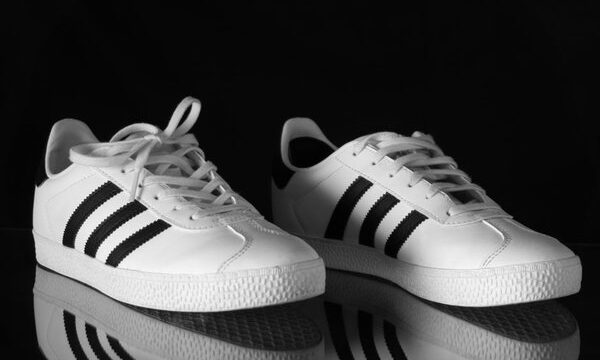
Overdressing and underdressing are both possible, but underdressing is usually more noticeable. Denim, casual sneakers, cotton T-shirts, overly relaxed shirts, or beachwear rarely belong at a formal event unless the host clearly says otherwise.
Another common mistake is focusing only on trends. A dress may look beautiful online but feel wrong for the venue or weather. A suit may be fashionable but too tight to move comfortably. Formal events are social settings, not photo shoots. Clothes should support the experience, not fight against it.
Ignoring alterations is another missed opportunity. A hem that drags, sleeves that cover the hands, or straps that slip all evening can distract from an otherwise lovely outfit. Small adjustments often make clothes look made for you.
A Natural Way to Approach Formal Style
A thoughtful formal event dress guide should make dressing feel less stressful, not more complicated. Start with the invitation, consider the venue, choose quality fabrics, focus on fit, and let accessories finish the look. That approach works across weddings, dinners, galas, ceremonies, and professional events.
Formal dressing is really about respect. Respect for the occasion, respect for the host, and respect for yourself. When the outfit feels right, you stand a little easier. You stop tugging at sleeves or questioning the color. You enter the room ready to be present.
In the end, formal style is not about wearing the most expensive thing or following every rule perfectly. It is about showing up with care, taste, and confidence. The right outfit does not need to announce itself loudly. It simply belongs to the moment.