
The Quiet Shift Happening in Kids’ Wardrobes
Walk through any children’s clothing section and you can usually tell, within seconds, how the racks have been divided. Pink, glitter, flowers, and ruffles on one side. Trucks, dinosaurs, navy stripes, and slogans about adventure on the other. For a long time, this split felt so normal that many adults barely questioned it. But parents, caregivers, and even children themselves are looking at clothing a little differently now.
Gender-neutral kids clothing is not really about removing personality from a child’s wardrobe. In fact, it often does the opposite. It gives children more room to dress according to comfort, mood, movement, color preference, and imagination rather than a fixed idea of what boys or girls are “supposed” to wear. The result is a more flexible, practical, and refreshingly creative way to think about everyday dressing.
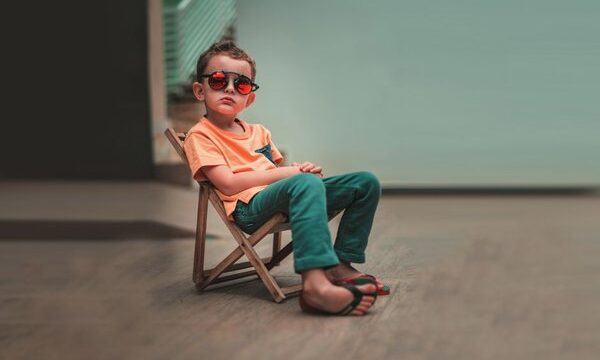
This shift is not loud or dramatic. It shows up in soft joggers that any child can wear, oversized sweatshirts passed between siblings, earthy-toned dungarees, striped tees, denim jackets, cozy knits, and sneakers that simply look good with everything. It is fashion becoming a little less boxed in, and honestly, many families are finding that easier.
What Gender-Neutral Kids Clothing Really Means
At its simplest, gender-neutral kids clothing means clothes designed without strong gender coding. The shapes, colors, patterns, and details are not created specifically for boys or girls. Instead, they are made to suit children as children.
That does not mean every outfit has to be beige, plain, or minimal. A gender-neutral wardrobe can include bright orange, sky blue, forest green, sunny yellow, red stripes, animal prints, checks, graphic illustrations, and playful textures. The difference is that these choices are not tied to a gender label. A child who loves planets can wear planets. A child who loves flowers can wear flowers. A child who wants both on the same day should not have to explain it.
The best gender-neutral pieces usually focus on wearability. They allow running, climbing, sitting cross-legged, painting, eating snacks in the car, and falling asleep on the sofa after a long day. Children’s clothes have to live real lives. If a garment looks sweet but restricts movement, scratches the skin, or needs constant adjusting, it probably will not become a favorite.
Comfort Comes Before Labels
Children are honest dressers. If a waistband pinches, they will pull at it. If a sweater itches, they will refuse it. If shoes feel stiff, the entire morning can become a negotiation. That is why comfort sits at the center of gender-neutral kids clothing.
Soft cotton tees, relaxed trousers, breathable sweatshirts, jersey dresses, loose shorts, leggings, hoodies, and easy pull-on pants tend to work well because they give children freedom. These clothes do not demand perfect posture or careful behavior. They are made for real childhood, which is messy, fast, emotional, and full of sudden changes in activity.
Fit matters too. Gendered clothing sometimes creates unnecessary differences, even in very small sizes. Boys’ clothes may be cut wider and sturdier, while girls’ clothes may be narrower, shorter, or more decorative. A gender-neutral approach usually favors relaxed proportions that suit a range of body types. That is helpful because children grow at different speeds, and not every child fits neatly into standard sizing assumptions.
Colors Beyond Pink and Blue
Color is one of the easiest places to begin. Many parents are not against pink or blue. The problem is when those colors become rules. Gender-neutral dressing opens the palette.
Earth tones have become especially popular because they mix easily. Olive, rust, cream, stone, tan, charcoal, chocolate, and clay work across seasons and pair well with denim or white sneakers. Brighter shades can also feel fresh when used with balance. Mustard yellow, cobalt blue, tomato red, mint, lavender, teal, and coral can all sit beautifully in a child’s wardrobe without needing to belong to a side of the store.
Patterns are just as flexible. Stripes, checks, stars, fruit prints, animals, abstract shapes, and hand-drawn graphics often feel playful without being overly gendered. Even traditional motifs can be reimagined. Florals, for example, do not have to look delicate or formal. They can be bold, graphic, oversized, and fun.
Building a Wardrobe That Mixes Easily
One of the most practical benefits of gender-neutral kids clothing is how easy it is to mix and match. When clothes are not bought in strict “boy” or “girl” categories, the whole wardrobe becomes more useful.
A striped long-sleeve tee can go with corduroy trousers, denim overalls, joggers, or shorts. A neutral hoodie can be layered over almost anything. A simple pair of canvas sneakers can work for school, playdates, travel, and weekend errands. These pieces do not sit unused because they only match one specific outfit.
This flexibility can also make mornings calmer. Children often want some say in what they wear, and a mixable wardrobe gives them choices without creating complete chaos. A green sweatshirt with brown trousers? Fine. A yellow tee under denim dungarees? Easy. A red beanie with a navy jacket? Why not. The outfit may not always look magazine-perfect, but it will feel like theirs, and that matters.
Clothes That Grow With the Child
Children outgrow clothes quickly, sometimes almost suspiciously quickly. One week the cuffs are rolled twice, and the next week the ankles are showing. Gender-neutral pieces often have a longer life because they are easier to pass down, share between siblings, or rotate among cousins and friends.
Adjustable waistbands, oversized sweatshirts, roomy jackets, rollable sleeves, and durable fabrics help stretch the usefulness of each item. A loose cardigan can look charming when slightly oversized and still work months later. Dungarees with adjustable straps can survive growth spurts. Relaxed joggers can move from full-length trousers to slightly cropped play pants without looking awkward.
This does not mean buying everything too big. Children still need clothes that feel secure and safe. But choosing flexible silhouettes can reduce waste and make a wardrobe feel more thoughtful.
Letting Children Have a Voice
Fashion is one of the first ways children experiment with identity. They may not have the language for it yet, but they know what feels exciting, cozy, boring, itchy, grown-up, silly, or special. Letting them choose from a wider range of clothing can build confidence in small but meaningful ways.
A child may want a dinosaur shirt with purple trousers. Another may love plain black joggers and a bright floral sweatshirt. Some children prefer soft, quiet colors. Others want bold prints every day. These choices are not always about gender. Often, they are about personality, comfort, fascination, or mood.
Adults can guide without controlling every detail. Weather, school rules, safety, and practicality still matter. But within those boundaries, a little freedom goes a long way. When children feel comfortable in their clothes, they often move through the day with more ease.
Styling Gender-Neutral Outfits for Everyday Life
The beauty of gender-neutral kids clothing is that it does not require complicated styling. The strongest looks often come from simple combinations that feel relaxed and lived-in.
A boxy tee with soft trousers and sneakers works for almost any casual day. Overalls layered with a striped top feel playful without trying too hard. A sweatshirt with wide-leg pants gives a modern, cozy look. A denim jacket over a cotton dress or jogger set adds structure while still feeling easy. In cooler weather, beanies, chunky socks, fleece layers, and quilted jackets can bring warmth and texture.
Accessories can stay practical too. Backpacks, caps, scarves, and rain boots do not need heavy gender cues. A good accessory should support the child’s day, whether that means carrying crayons, surviving puddles, or keeping hair out of their face during playground time.
School, Play, and Special Occasions
For school, gender-neutral dressing often works best when it is simple and durable. Stretchy trousers, polo shirts, cardigans, sweatshirts, and comfortable shoes are easy to wear and easy to wash. If there is a uniform, small choices like socks, layers, jackets, and hair accessories can still allow personality.
For play, movement is the priority. Clothes should survive grass stains, climbing frames, craft tables, and snack spills. Darker shades, textured fabrics, and washable materials are helpful, but so are clothes that nobody feels too precious about.
Special occasions can be a little trickier because formal kids’ clothing is often strongly divided. Still, there are lovely middle-ground options. Linen shirts, soft tailored trousers, knitted vests, relaxed jumpsuits, simple dresses, smart cardigans, loafers, boots, and clean sneakers can create polished outfits without forcing a child into something that does not feel like them.
Why This Trend Feels Bigger Than Fashion
Gender-neutral kids clothing is part of a broader conversation about giving children space to be themselves. It is not about banning princesses, superheroes, bows, trucks, sparkles, or sports prints. It is about making sure those things are choices, not instructions.
It also reflects how families actually live. Clothes are shared. Budgets matter. Laundry piles up. Children change their minds. A wardrobe that works across seasons, siblings, moods, and activities simply makes sense. The trend may look stylish on the surface, but underneath it is very practical.
Parents are also becoming more aware of how early children absorb messages. A T-shirt slogan, a color section, or a “boys can be brave, girls can be pretty” kind of design may seem harmless, but repeated often enough, it can shape expectations. Clothing does not carry all the weight, of course. Still, it can either narrow a child’s world or widen it a little.
A More Open Way to Dress Childhood
Gender-neutral kids clothing offers a softer, freer approach to children’s fashion. It gives families practical wardrobes, easier hand-me-downs, and more room for personal expression. It also reminds us that children do not need every color, print, or silhouette sorted for them before they even choose what they like.
The most successful kids’ wardrobes are the ones that support real life. They are comfortable enough for movement, durable enough for messy days, flexible enough for growth, and open enough for personality. Whether a child reaches for stripes, florals, hoodies, dresses, joggers, boots, or all of it mixed together, the goal is simple: clothes that let them feel at home in themselves.
In the end, this trend is less about following fashion and more about loosening the rules around it. Childhood is already full of discovery. What children wear should make that discovery easier, not smaller.