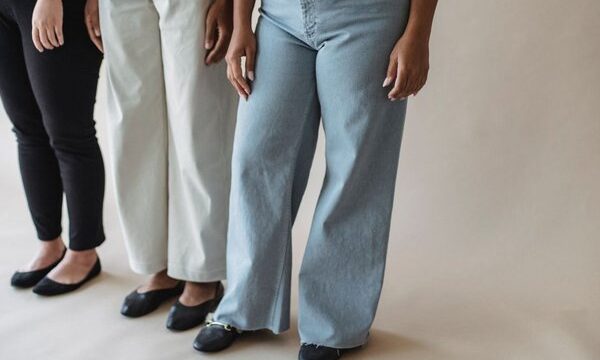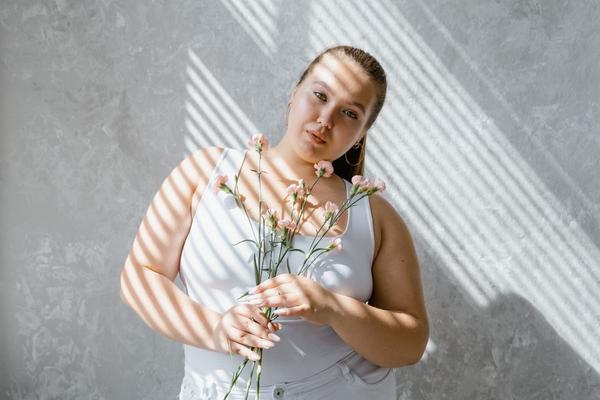

Monochrome dressing can make getting dressed feel simpler without making an outfit look basic. For plus-size wardrobes, the idea is not to hide the body or create an artificial “slimming” effect. It is about using one colour family to create a clear visual line, then adding interest through texture, shape and proportion. That makes plus size monochrome outfits UK shoppers can actually wear feel polished rather than overly matched.
The easiest place to start is with colours you already own. Black is an obvious option, but monochrome can also mean navy, chocolate, olive, burgundy, cream, grey or denim blue. You do not need every item to be exactly the same shade. In fact, a mix of tones often looks more modern and gives the outfit more depth.
Think in Colour Families, Not Exact Matches
A common mistake is assuming monochrome means every piece must be identical in colour. That can work, but it is not necessary. Plus size tonal dressing is often more wearable because it lets you combine several shades from the same family. A charcoal coat over a mid-grey knit and soft grey trousers still reads as monochrome, even though the pieces are not exact matches.
This approach is especially useful when building outfits from different brands, because dyes rarely match perfectly. Instead of fighting those small differences, make them deliberate. Pair a deep chocolate top with cocoa trousers and a camel coat, or combine navy jeans with an ink-blue blouse and a lighter blue cardigan.
Use Texture to Stop One Colour Looking Flat
When colour is restrained, texture does more of the styling work. A black outfit can feel completely different when it combines smooth tailoring, soft knitwear and leather-look accessories.
Try mixing matte and slightly glossy finishes, or structured and soft fabrics. Black wide-leg trousers with a ribbed jumper and faux-leather jacket create contrast without adding another colour. In warmer weather, linen, cotton, denim and lightweight jersey can do the same.
If you are planning monochrome curve outfits for work, texture can also make simple separates look more intentional. A navy ponte trouser, silky navy blouse and structured blazer will usually feel more refined than three flat jersey pieces in the same shade.
Balance Proportions Instead of Chasing “Flattering” Rules
Monochrome outfits are often promoted as a way to look taller or slimmer, but that should not be the main goal. A better approach is to balance the volume and structure of each piece so the outfit feels comfortable and visually coherent.
If you choose wide-leg trousers, try a more defined top shape, a tucked knit or a shorter jacket. With a loose shirt dress, adding a longline coat can create a clean vertical line without forcing the waist to be cinched. If you prefer oversized layers, keep at least one part of the outfit more streamlined, such as straight-leg trousers or a fitted base layer.
Practical example: for a casual Saturday outfit, start with dark olive straight-leg trousers and an olive T-shirt. Add a slightly lighter khaki overshirt worn open, then finish with trainers in a muted green or neutral tone. The outfit stays within one colour story, but the open layer adds movement and prevents the look from feeling blocky.
Build Monochrome Looks for Different Occasions
For Work
For an office-friendly look, choose one darker colour and vary the finish. Navy is especially useful because it works with tailoring, knitwear and denim-inspired pieces. Try navy trousers, a tonal blouse and a blazer in a slightly deeper shade. If your workplace is more relaxed, swap the blazer for a cardigan or knitted jacket.
For Weekends
Casual plus size one colour outfits work best when they feel easy rather than styled within an inch of their life. Matching joggers and a sweatshirt can be elevated with a long coat in a related tone. Denim also works well: dark blue jeans, a chambray shirt and a navy knit create a soft blue-on-blue look that is simple to repeat.
For Events
For dinner, a wedding reception or an evening event, tonal plus size fashion can feel elegant without relying on complicated accessories. A burgundy dress with a wine-coloured wrap or tailored jacket is one option. Another is a chocolate jumpsuit with a dark brown clutch and shoes. Metallic jewellery can add contrast while still letting the colour story remain the focus.
Choose Shoes and Accessories That Support the Look
Accessories do not have to match perfectly. For a strong monochrome effect, keep shoes and bags within the same colour family. Otherwise, use a quiet neutral that does not become the main feature.
Jewellery can be used as a small break from the palette. Gold often warms camel, cream, olive and brown outfits, while silver can look crisp with black, navy, grey and cool pastels. Scarves, belts and bags are also useful for introducing a slightly darker or lighter tone without disrupting the overall look.
Make the Outfit Easier to Repeat
The most useful monochrome outfit is one you can recreate without buying a new wardrobe. Identify the colour families you already own most often and build from those first.
Photograph combinations you like so you can repeat them quickly. You can also create mini outfit formulas, such as tonal trousers plus knit plus long coat, or same-colour dress plus jacket plus simple shoes. Once you know which proportions and layers feel good, you can reuse the formula in another colour.
For more outfit planning ideas, useful related topics would include plus-size capsule wardrobe ideas, how to choose trousers for different outfit shapes, and ways to layer clothes without adding unnecessary bulk.
FAQ
No. Black is only one option. Navy, brown, grey, olive, burgundy, cream and blue can all work. The main idea is to keep the outfit within one colour family, using different shades if needed.
Yes. Different shades often make the outfit look more dimensional. Combining light, mid and deep tones of the same colour is one of the easiest ways to make a monochrome look feel intentional.
Mix textures, vary proportions and use layers. Knitwear, denim, tailoring, leather-look finishes, linen and soft jersey can all create contrast even when the colour stays consistent.
Yes. The colour strategy stays the same; the fabrics and silhouettes change. Jersey, denim and trainers suit casual looks, while tailoring, satin-like fabrics and structured accessories can make the same idea work for smarter occasions.
Conclusion
Monochrome dressing works best when it is treated as a flexible styling method rather than a strict rule. Start with one colour family, vary the tones, mix textures and choose proportions that feel comfortable on your body. The result can be simple, polished and easy to repeat across workdays, weekends and events. Once you stop worrying about perfect colour matches, plus-size monochrome dressing becomes much easier to build from clothes you already own.