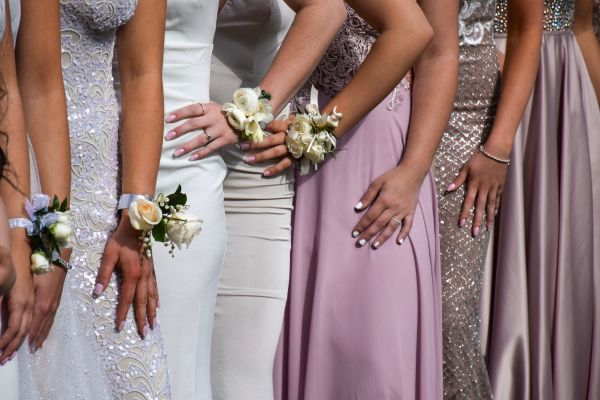

There’s something quietly powerful about slipping into a well-chosen formal dress. It changes posture, sharpens confidence, and somehow makes even an ordinary evening feel more significant. Whether it’s a wedding reception, a gala, a corporate dinner, or a festive celebration, the right dress doesn’t just fit the occasion—it elevates it.
Finding the best formal dresses isn’t about chasing trends or picking the most expensive option. It’s about balance: style, comfort, personality, and the subtle art of dressing appropriately for the moment. And while fashion keeps evolving, certain elements of formal wear remain timeless.
The Timeless Appeal of Formal Dresses
Formal dresses carry a kind of quiet tradition. They draw from decades of evolving style—old Hollywood glamour, royal elegance, and modern minimalism all woven into one category. Yet, despite their long history, they never feel outdated when chosen thoughtfully.
What makes them enduring is their purpose. A formal dress isn’t just clothing; it’s a response to an occasion. It signals respect for the event and reflects personal taste without saying a word. From sleek silhouettes to flowing gowns, the variety ensures that everyone can find something that feels right.
Understanding What Makes a Dress “Formal”
Not every dress qualifies as formal, even if it looks polished. Formal wear usually includes certain defining elements: refined fabrics, structured tailoring, and a sense of occasion. Think silk, satin, chiffon, velvet—materials that move well and catch light softly.
Length often plays a role, too. Floor-length gowns are the traditional standard, though modern interpretations include midi and even tailored short dresses for less rigid events. The difference lies in execution—clean lines, subtle detailing, and a balanced design.
It’s less about strict rules and more about intention. A formal dress feels considered, not casual or thrown together.
Classic Silhouettes That Always Work
Certain silhouettes have stood the test of time because they flatter a wide range of body types and suit many occasions.
The A-line dress remains one of the most universally appealing choices. Fitted at the top and gradually widening toward the hem, it offers both comfort and elegance without feeling restrictive. It’s often the go-to when you’re unsure what to wear.
The mermaid silhouette, on the other hand, is all about drama. Hugging the body and flaring at the bottom, it creates a striking, sculpted look. It’s best suited for events where a bold statement feels appropriate.
Empire waist dresses bring a softer, more romantic feel. With a raised waistline just below the bust, they create a flowing, graceful effect—perfect for evening events with a relaxed elegance.
Then there’s the sheath dress. Simple, straight, and refined, it’s often underestimated. But when done well, it can be one of the most sophisticated choices, especially for formal dinners or corporate settings.
Fabrics That Define Elegance
Fabric is where a dress truly comes alive. The same design can feel completely different depending on the material.
Satin offers a smooth, luminous finish that feels luxurious without being overpowering. It drapes beautifully and works well in both minimalist and more detailed designs.
Chiffon, lighter and more fluid, brings movement into the picture. It’s often layered to create depth, making it ideal for dresses that need a soft, ethereal quality.
Velvet introduces richness. It absorbs light instead of reflecting it, giving the dress a deep, almost regal appearance. It’s especially fitting for evening events or cooler seasons.
Lace, when used thoughtfully, adds texture and intricacy. It can lean romantic or classic depending on the pattern and placement, making it a versatile addition to formal wear.
Color Choices That Set the Mood
Color is more than just preference—it shapes the entire mood of the outfit.
Black remains the undisputed classic. It’s versatile, flattering, and appropriate for nearly any formal event. A well-cut black dress rarely fails.
Deep tones like burgundy, navy, and emerald add richness without straying too far from tradition. They feel sophisticated and slightly more expressive than black.
Lighter shades—pastels, champagne, soft pink—bring a different kind of elegance. They’re often associated with daytime or semi-formal events but can work beautifully in the evening when styled thoughtfully.
Bold colors, while less traditional, have their place. A striking red or a vivid cobalt can make a memorable impression when balanced with a clean design.
Choosing the Right Dress for the Occasion
Not all formal events are created equal, and the dress should reflect that.
A wedding, for instance, often calls for something celebratory yet respectful. Flowing fabrics, softer tones, and understated detailing usually work well. The goal is to look elegant without overshadowing the main event.
Corporate functions lean toward structure and restraint. Here, simpler silhouettes, neutral colors, and minimal embellishment feel more appropriate. It’s about professionalism with a refined edge.
Evening galas and black-tie events open the door to more dramatic choices. Floor-length gowns, rich fabrics, and bolder designs come into play. This is where the best formal dresses truly shine—when they match the scale of the occasion.
The Role of Fit and Comfort
A dress can look stunning on display and fall flat when worn if the fit isn’t right. Comfort isn’t a luxury in formal wear—it’s essential.
A well-fitted dress allows movement without constant adjustment. It sits correctly at the shoulders, follows the natural lines of the body, and doesn’t pull or sag in the wrong places.
Alterations often make the difference between a good dress and a great one. Even small adjustments can transform how a dress feels and looks.
Comfort also affects confidence. When you’re not thinking about the dress—when it simply feels right—you carry yourself differently. That ease shows.
Details That Make a Difference
It’s often the smallest details that elevate a dress.
Subtle embellishments—beading, embroidery, delicate stitching—add depth without overwhelming the design. They catch light, draw the eye, and give the dress character.
Necklines and sleeves also play a role. A high neckline can feel refined and modern, while an off-shoulder design introduces a softer, more romantic tone. Statement sleeves, increasingly popular, add interest without needing additional decoration.
Even the way a dress moves—the flow of fabric, the way it falls when you walk—becomes part of its appeal.
Personal Style Within Formal Boundaries
Formal wear doesn’t mean losing individuality. In fact, the best choices often reflect a clear sense of personal style.
Some prefer minimalism—clean lines, neutral colors, and a focus on structure. Others lean toward more expressive designs, with bold colors or intricate details.
The key is balance. A dress should feel like an extension of who you are, not a costume. When personal style aligns with the formality of the event, the result feels natural and effortless.
Why Simplicity Often Wins
It’s easy to assume that more detail equals more elegance, but that’s not always true. In many cases, simplicity carries more impact.
A well-cut dress in a beautiful fabric doesn’t need much else. It stands on its own, relying on proportion and quality rather than decoration.
This is why many of the best formal dresses share a common trait—they don’t try too hard. They allow the wearer to shine rather than competing for attention.
Conclusion
Choosing among the best formal dresses isn’t about following strict rules or chasing perfection. It’s about understanding the occasion, knowing what feels right, and appreciating the subtle elements that make a dress truly work.
From classic silhouettes to thoughtful details, from rich fabrics to carefully chosen colors, every aspect contributes to the overall experience. And in the end, the most memorable dresses are often the ones that feel effortless—where style, comfort, and confidence come together naturally.
A great formal dress doesn’t just fit the moment. It becomes part of it.